Parents often ask what the “right” age is for a first smartwatch. There is no legal minimum and no perfect number. What matters more is what your child is starting to do, and whether a watch helps them do it safely.
Think milestones, not birthdays
These moments are when families most often consider a watch:
- walking to school, or part of the way, without an adult,
- going to the park or a friend’s house nearby,
- after-school clubs and sports with different pick-up times,
- busy places such as festivals, theme parks and holidays,
- moving between two homes.
If one of these is on the horizon, a watch can make the step feel safer for both of you.
Signs your child is ready
- They can answer a call and hold a short conversation.
- They understand that the SOS button is for real worries, not for fun.
- They can look after something they wear every day and remember to charge it with a bit of help.
- They are happy to wear it. A watch left in a drawer does not help anyone.
Younger children
For younger children the watch is mostly a safety net for busy places and a way to call a grandparent. Keep the contact list short, keep video calls for family, and do the charging yourself.
Older children
As they get older, the watch supports more independence: walking to school, clubs and time with friends. Involve them in the settings, explain safe zones, and agree check-in habits. For many families, a watch comes before a phone. Our guide on smartwatch or first phone compares the two.
Fit and comfort
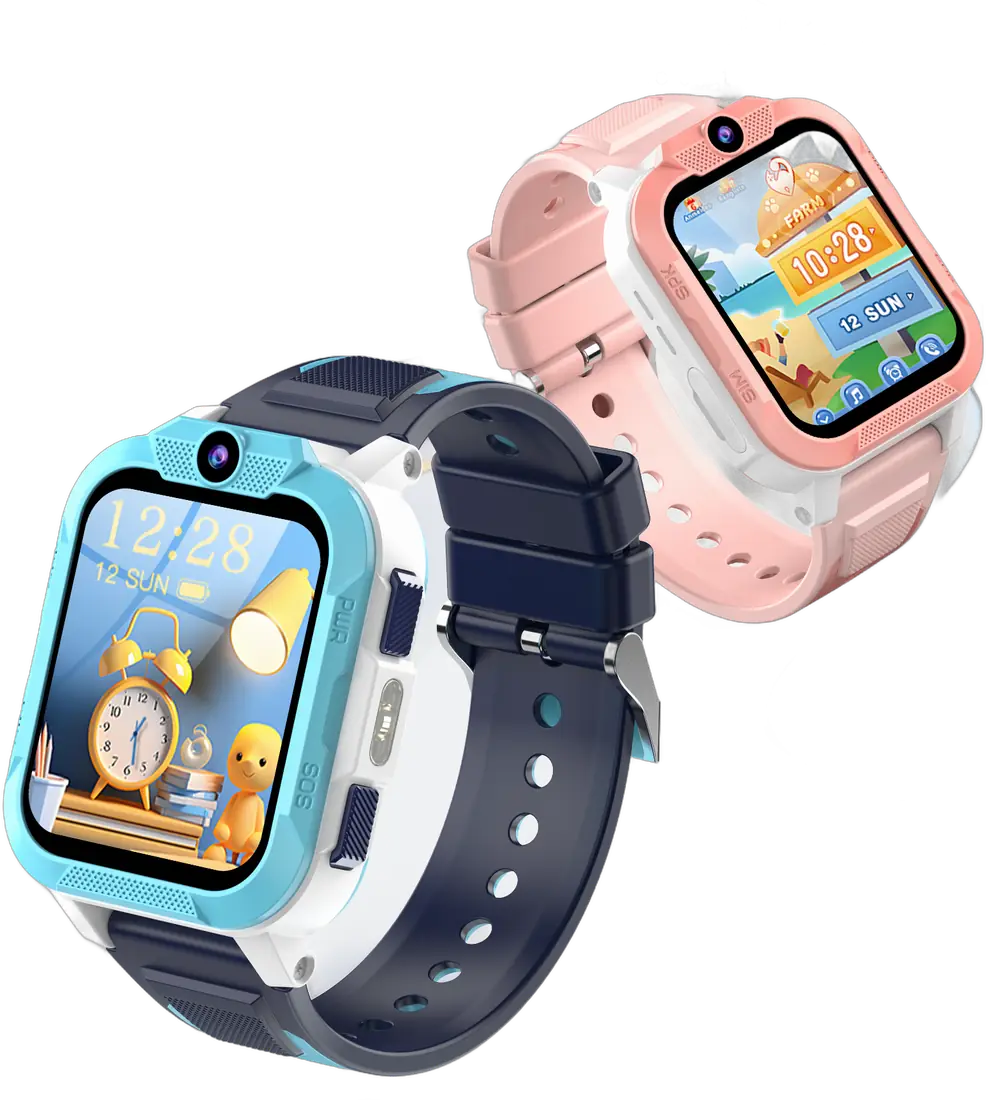
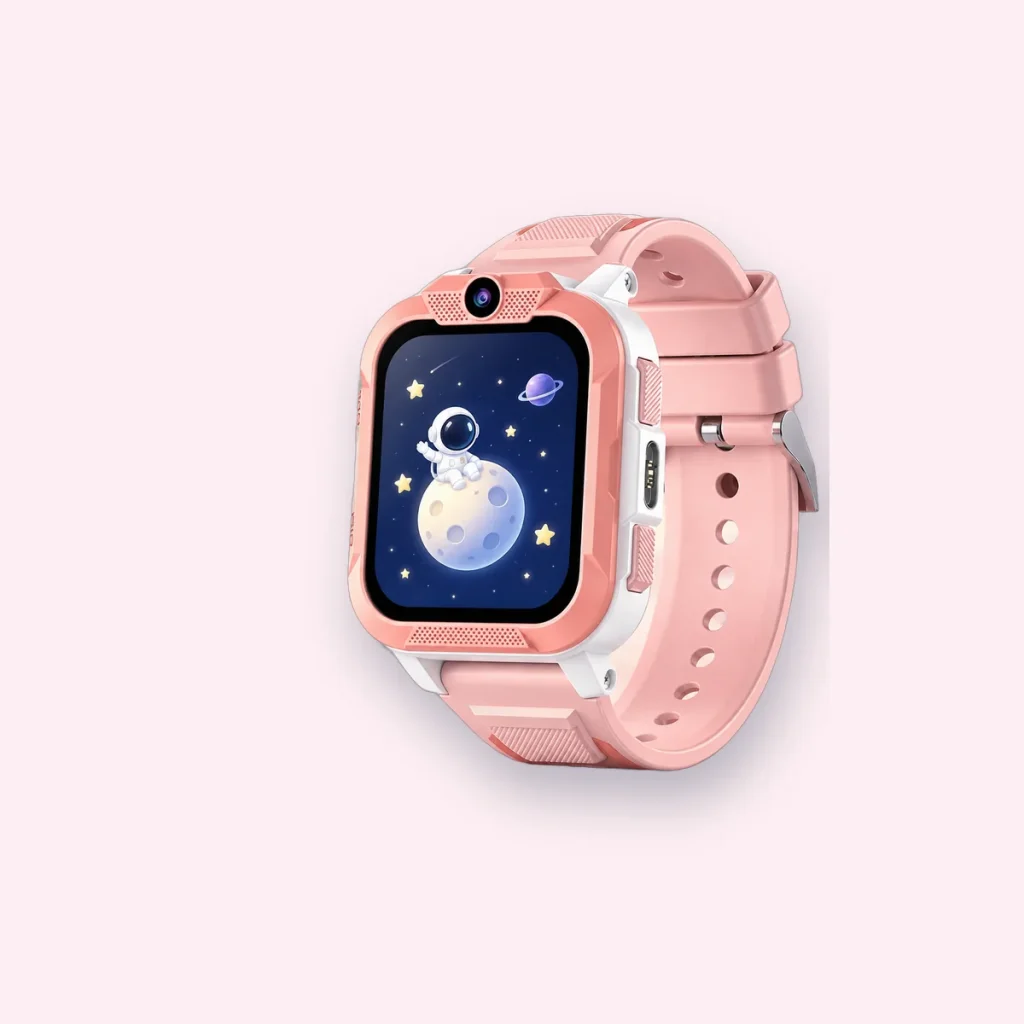
A watch needs to be comfortable enough to wear all day. The Blackview Z40 Pro has a soft, adjustable strap made for smaller wrists, a tough case for active days and IP68 water resistance for rain and hand washing.
This guide is general information for UK parents. Features and network details can change, so check the latest information from your mobile network and your child's school.